With the founding of the Center for International Studies in 1991, multiple language programs were created to give students opportunities to gain an edge in the world. Chinese, Russian, Japanese and Arabic were four of those programs, with the Arabic program being taught at South since the disbanding of the CIS. This year is the 33rd anniversary of the Arabic program. The program has seen hundreds of graduates and has gone through plenty of changes over the course of its tenure. Of those 33 years, Annie Hasan has taught the class for 17 of them, overseeing over half of the Arabic program’s history and the majority of its time at South.
“It was specifically designed to give students a leg up in careers related to global business, or global diplomacy,” Hasan said. “Just more competitive in the global market.”
Students took a global studies class along with two hours of a language. The program started with Chinese, Japanese, and Russian, with Arabic being added one year later. With its extensive history, the Arabic program is one of the oldest in the nation, undergoing a significant number of changes from its conception to the present day. As of right now, there are five levels of arabic that can be taken, no opportunities to have Arabic for more than one period per day.
“We used to have eight levels of Arabic, and we are now back to five,” Hasan said. “You can no longer double up two hours a day on it. I don’t remember when that change happened, maybe 2013. It’s officially part of the world language department now and that global studies class is no longer offered in the district. But, I think through the years, it’s just changed in many ways, you know, it’s still a very competitive language. There’s still, I think that the amount of scholarships that are now out for people who pursue Arabic are more plentiful than they’ve ever been.”
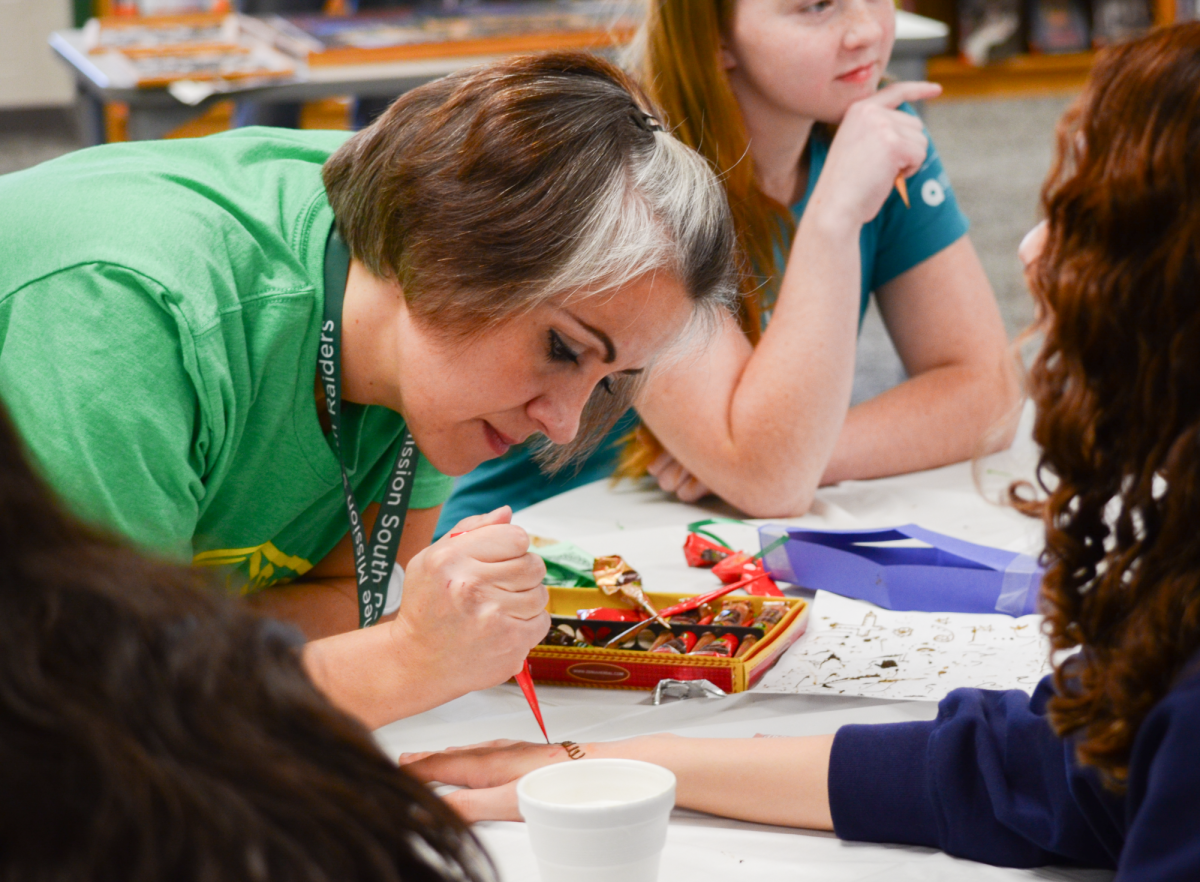
Despite all the changes that the program has experienced over time, from the eight levels of Arabic turning into five, to being separated from the CIS in the 2000s, some thing have remained consestant. The Arabic program has been hosting its annual festival every year since the CIS started doing showcases for all the language classes, and although one language class after another stopped, Arabic has kept it going every year since.
“I know the Chinese program did it, the Russian program, the Japanese program always had a festival,” Hasan said. “But then that kind of fizzled through time. Chinese stopped, Russian stopped, Japanese stopped. I just never stopped. I carried it on, it’s a student favorite so we do it every year. AHS has to have hours of service, and their service has to be linked directly to creating a deeper understanding of Arabic language and culture within their community, and that’s just one of the pieces of our school community that is impacted a lot by the festival.”